
Entomology definition of Nepionic
Entomology definition of Nepionic: that stage of development immediately succeeding the embryonic; proposed as a substitute for larval.
Entomology definition of Nepionic: that stage of development immediately succeeding the embryonic; proposed as a substitute for larval.
Entomology definition of Nephridia: tubular structures functioning as kidneys in Annelids, Mollusks, etc. and incorrectly used as = malpighian tubules; q.v.
Entomology definition of Neotype: a specimen identified with a species already described, and selected as a standard of reference where the original type or co-types […]
Entomology definition of Neotropical: that part of the earth’s surface embraced in the greater part of Mexico, West Indies and South America.
Entomology definition of Neoteinic: applied to complemental females in Termites because, though reproductive, they retain some juvenile characters.
Entomology definition of Neolepidoptera: all haustellate Lepidoptera, except the generalized Micropterygidae; mandibles not functionally present; pupa incomplete or obtect: see paleolepidoptera and protolepidoptera.
Entomology definition of Neogeic: belonging to the Western Hemisphere or New World: see gerontogeic.
Entomology definition of Nemoricolous: living in open, sunny woods.


By Will Dunham WASHINGTON (Reuters) – The biggest dinosaur predator that ever stalked the Earth was also the weirdest. Scientists announced on Thursday the discovery in Moroccan desert cliffs of new fossil remains of Spinosaurus aegyptiacus, a 50-foot (15-meter) long, seven-ton African monster that breaks the mold for how a dinosaur predator looked and behaved. It was roughly 9 feet (2.5 meters) longer than Tyrannosaurus rex and equally massive. …
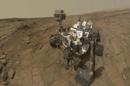

CAPE CANAVERAL Fla. (Reuters) – NASA’s Mars rover Curiosity has arrived at the base of a mountain of layered rock that scientists suspect holds clues about whether the planet most like Earth in the solar system had the ingredients to support and preserve signs of microbial life. The 1-ton rover touched down inside an ancient impact basin in August 2012. It quickly discovered a region inside the Gale Crater landing site that was chemically and geologically suited for the same kind of rock-eating microbes commonly found on Earth. …
Copyright © 2026 | WordPress Theme by MH Themes